Last updated: May 2026
What Is El Rocío?
El Rocío is a pilgrimage that takes place every year at Pentecost in the village of El Rocío, in the Huelva province of Andalusia. More than a million people travel there from across Spain and beyond, many on foot, on horseback, or by ox-drawn cart decorated with flowers and lanterns.
The destination is the Hermitage of El Rocío, where the venerated image of the Virgen del Rocío is kept. For Andalusians, this is not just a religious event. It is a cultural identity, a reunion, a party, and a spiritual journey all wrapped into one.
In 2026, Pentecost Sunday falls on June 7, with celebrations continuing through June 8.
La Linea's Hermandad
Almost every town in Andalusia has a hermandad, a brotherhood or sisterhood that organises the local participation in the pilgrimage. La Linea de la Concepcion is no exception. The local hermandad has been part of the El Rocío tradition for generations and makes the journey to Huelva each year as part of the wider pilgrimage.
In the weeks before the departure, you'll notice preparations building around the city. Carriages are cleaned and decorated. Traditional Andalusian dress, the traje de flamenca and the campero hat, starts appearing in shop windows and on people heading to fittings.
The Street Procession in La Linea
Before the hermandad leaves for Huelva, there is typically a local procession through the streets of La Linea. This is when the city genuinely comes alive in a way that doesn't happen on ordinary days.
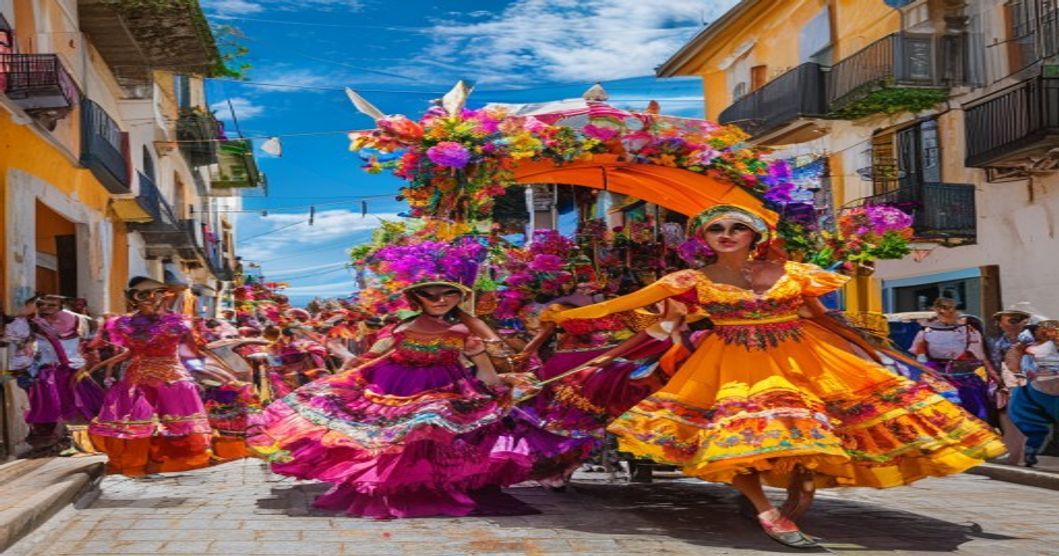
Families line the pavements. Music fills the streets. The simpecado, the ornate banner that each hermandad carries, is a centrepiece of the procession. Horses, decorated carriages, and pilgrims in traditional dress move through the neighbourhood in a slow, joyful parade.
For anyone new to La Linea or visiting Spain for the first time, this kind of procession is one of those experiences that's very difficult to describe accurately. You have to stand in it. The noise, the colour, the obvious pride that people take in it, all of it lands differently in person.
El Rocío 2026: Key Dates
| Date | Event |
|---|---|
| Late May 2026 | Local hermandad preparations and departure from La Linea |
| June 5-6 | Pilgrims arriving at El Rocío from across Andalusia |
| June 7 | Pentecost Sunday: main celebration at El Rocío |
| June 8 | The Salto de la Reja: the carrying of the Virgen through the crowds |
The exact date of the La Linea departure varies year to year based on the hermandad's planning. Check with local community pages or the hermandad directly for 2026 specifics.
What to Expect If You're Watching in La Linea
If you're a visitor or a new resident curious about joining the street-level experience in La Linea, a few things help you get the most from it.
- Arrive early. The best spots along the procession route fill up fast, especially near the hermandad's meeting point.
- Dress practically. June in La Linea is warm, sometimes very warm. Bring water and sun protection.
- Don't rush through it. The pace of a Rocío procession is deliberately slow. It's meant to be savoured.
- Respect the religious dimension. For many participants, this is deeply personal and spiritual. Curiosity is welcome. Irreverence is not.
- Talk to people. Locals are almost always happy to explain what's happening and what things mean.
Going to El Rocío Itself
If the local procession sparks something in you and you want to experience El Rocío village itself during Pentecost weekend, that's a different kind of trip. El Rocío is roughly two and a half hours from La Linea by car.
The village transforms completely during the pilgrimage. The roads into El Rocío are unpaved by design, part of the tradition. The atmosphere is intense and joyful and unlike anything else in Spain.
If you go, go with someone who knows it, or at least do your research on where to stay and how to navigate the crowds. Over a million people is not an exaggeration.
Why El Rocío Matters for La Linea
La Linea de la Concepcion sits at the southern tip of Spain, separated from Gibraltar by a border and connected to Andalusia by culture, family, and centuries of shared history. El Rocío is a thread in that connection.
For many families in La Linea, participating in the pilgrimage is something passed down. Grandparents who rode in carriages, parents who walked parts of the route, children who grew up watching the departure from the pavement. It is woven into what the city is.
As someone new to La Linea, you don't need to understand all of it to appreciate it. Showing up, watching, and being genuinely curious is enough to start.
Frequently Asked Questions
When is El Rocío 2026?
The main El Rocío celebration at Pentecost falls on June 7-8, 2026. The local La Linea hermandad typically departs for Huelva in the days before. Check local announcements for the exact departure date.
Can visitors join the procession in La Linea?
You can watch from the street and the atmosphere is welcoming. Joining the hermandad's official procession or pilgrimage requires membership, but observing is completely open to everyone.
What is a hermandad?
A hermandad is a brotherhood or sisterhood, a community association tied to a religious or cultural tradition. La Linea's hermandad organises the city's participation in El Rocío each year.
Is El Rocío only a religious event?
It has deep religious roots, centred on devotion to the Virgen del Rocío. But for many Andalusians it is also a cultural event tied to identity, community, and tradition. Both dimensions coexist.
How far is La Linea from El Rocío village?
El Rocío is roughly two to two and a half hours from La Linea by car, heading northwest through Andalusia.
What should I wear to watch the procession?
No dress code for spectators. June is hot, so light clothing, sun protection, and comfortable shoes are sensible. Many locals dress in traditional Andalusian style for the occasion.