
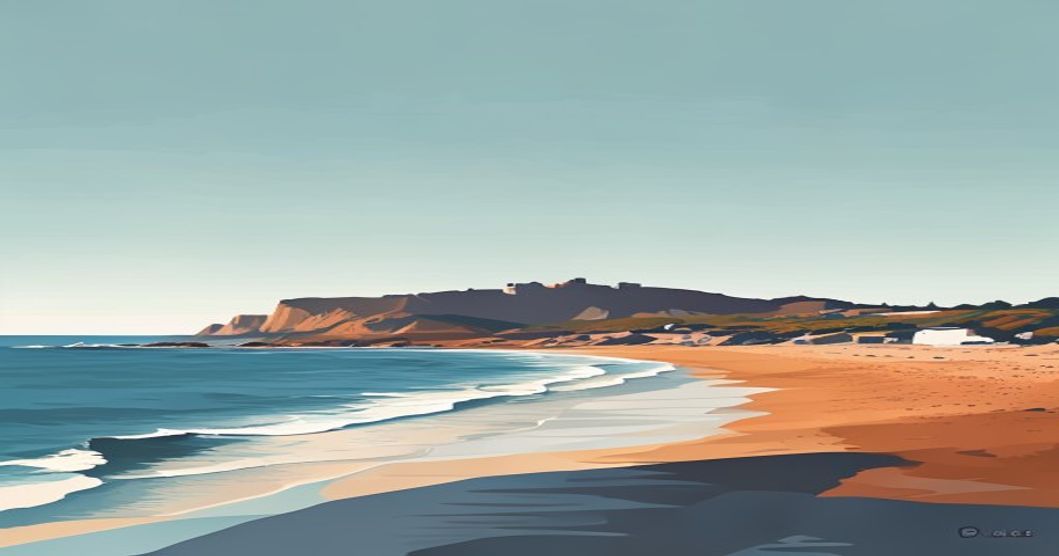
La Linea de la Concepcion has three main beaches: Playa de Levante, the busiest with full facilities including lifeguards and a Red Cross post; Playa de Poniente, facing the bay and calmer for families; and Playa de Torrenueva, quieter and further south. All are free, uncrowded outside July and August, and walkable from the town centre.
Quick Summary
- La Linea has three main beaches: Playa de Levante (around 2.5km), Playa de Poniente (around 700m), and Playa de Torrenueva (around 1.5km)
- Playa de Poniente is the calmest for swimming, sheltered from the Levante wind
- Playa de Levante is the most popular and has full facilities including a Red Cross post, showers, and lifeguards
- Beaches are free, uncrowded outside July and August, and a 10 to 20 minute walk from most hotels
Playa de Levante: The Main Beach
This is where most locals go. Playa de Levante runs along the eastern side of La Linea facing into the Mediterranean. Public listings indicate it stretches around 2.5 kilometres, with wide fine sand, generally clear water, and solid facilities: showers, toilets, a Red Cross post during the season, and lifeguard coverage through the summer months.
On calm summer mornings before 10am, Levante is genuinely beautiful. The Rock of Gibraltar sits to the north, the Strait of Gibraltar opens to the east, and on clear days you can make out the Moroccan coast across the water. Once the Levante wind picks up in the afternoons, the water can get choppy and waves build quickly. Most local swimmers know to go early.
It blows from the east and can turn a calm beach day choppy within an hour. The wind itself is refreshing in summer heat, but waves can make swimming uncomfortable. The bay-facing Playa de Poniente is more sheltered on windy afternoons.
Playa de Poniente: The Calm One
Poniente is shorter than Levante, roughly 700 metres by most local accounts, but it faces west into the bay rather than east into the open strait. This makes it significantly calmer on most days, especially when the Levante wind is up. The water is shallower at the edges, which makes it a better option for families with young children.
Facilities include toilets, showers, and lifeguard cover in season. The area along the Paseo Marítimo behind the beach has cafes and bars that come to life from late spring through September.
If you are staying in La Linea and want a swim without waves, Poniente is the reliable choice.
Playa de Torrenueva: The Quiet One
Torrenueva sits further south, a stretch of grey-toned sand that never gets as crowded as Levante despite its quality. It is further from the town centre, which filters out casual day-trippers. The water is generally clear and calm. Worth knowing before you go: Torrenueva has no beach bar or parasol rental setup, so bring everything you need from town.
If you want space and quiet outside of peak August, Torrenueva is the place to head.
Practical Beach Information
| Beach | Approx. Length | Best For | Facilities | Crowds |
|---|---|---|---|---|
| Playa de Levante | c.2.5km | Facilities, sunbathing, morning swim | Full (showers, toilets, Red Cross, lifeguards) | Busy Jul-Aug |
| Playa de Poniente | c.700m | Calm swimming, families | Good (showers, toilets, lifeguards) | Moderate |
| Playa de Torrenueva | c.1.5km | Quiet, local feel | Basic (no beach bar or rentals) | Low-moderate |
When Are the Beaches Crowded?
July and August are the peak months. Spanish families from across Andalusia descend on La Linea's beaches for summer holidays, and parking becomes genuinely difficult. If you arrive after 10am in August, expect to search for space on Levante especially.
Outside of peak summer, the beaches are genuinely quiet. April, May, September, and October see a fraction of the summer visitors while still offering decent swimming temperatures. The shoulder months are arguably the best time to visit if you have flexibility.
Getting to the Beaches
All three beaches are within walking distance of La Linea town centre. From most accommodation near Plaza de la Constitución or the main commercial streets, Playa de Levante is roughly a 10 to 15 minute walk east along the Paseo Marítimo. Playa de Poniente is a similar distance in the other direction. Torrenueva is further south and requires either a longer walk or a short drive.
Parking is the main constraint in summer. If you are driving, aim to arrive before 9am in July and August, or leave the car on the edge of town and walk down.
The Bottom Line
La Linea's beaches are genuinely good and chronically underused by visitors who cross straight into Gibraltar without looking back. Playa de Levante is the standout for facilities and atmosphere. Playa de Poniente is the practical choice for calm swimming. Playa de Torrenueva is the quiet option when you want space and do not mind a self-sufficient beach day without bars or rentals.
Frequently Asked Questions
Does La Linea de la Concepcion have good beaches?
Yes. La Linea has three main beaches totalling over four kilometres of coastline: Playa de Levante, Playa de Poniente, and Playa de Torrenueva. All are free to use, with facilities ranging from basic to full Red Cross and lifeguard cover in summer.
What is the calmest beach in La Linea for swimming?
Playa de Poniente is the calmest because it faces west into the bay rather than east into the open Mediterranean strait. It is much more sheltered from the Levante wind that can make Playa de Levante choppy in the afternoons.
Can you swim in the sea at La Linea?
Yes. The beaches are clean and suitable for swimming from late spring through early autumn. The water is at its warmest in July and August, and October is typically still comfortable for a swim. Go before the Levante wind picks up in the afternoon for the best conditions.
How far are the beaches from La Linea town centre?
Playa de Levante and Playa de Poniente are both within a 10 to 15 minute walk of the main town centre. Playa de Torrenueva is further south and requires a longer walk or a short drive.
Are the beaches crowded in summer?
July and August are the busiest months, with Spanish families from across Andalusia visiting for summer holidays. Parking can be difficult during peak season. Outside of July and August, the beaches are significantly quieter.